Insurance Backed Guarantees
Strengthen your long-term asset protection.

Insurance Backed Guarantees explained
An Insurance Backed Guarantee (IBG) is a specialized policy that underwrites the original installer’s written warranty.
For Housing Associations and developers, an IBG is a critical layer of financial security. Unlike a standard contractor warranty, which becomes worthless if the company enters insolvency, an IBG transfers the liability to an A-Rated insurer. This ensures that valid claims for defective workmanship – on assets ranging from roofing and glazing to external wall insulation – are rectified at no additional cost to the asset owner, typically for a period of 10 years from completion.
What does an IBG actually cover?
An IBG is a “Policy of Last Resort”. It does not replace the contractor’s primary obligation to fix defects while they are still in business. Instead, it acts as a dormant safety net that only triggers under specific conditions.
The policy mirrors the terms of the original written guarantee provided by the installer. If the original guarantee covered materials and labor for 10 years, the IBG will cover the reasonable cost of rectifying works to that same standard if the contractor suffers an “Insured Event” – most commonly, insolvency or bankruptcy.
Core Coverage Scope:
Workmanship Defects
Errors in installation.
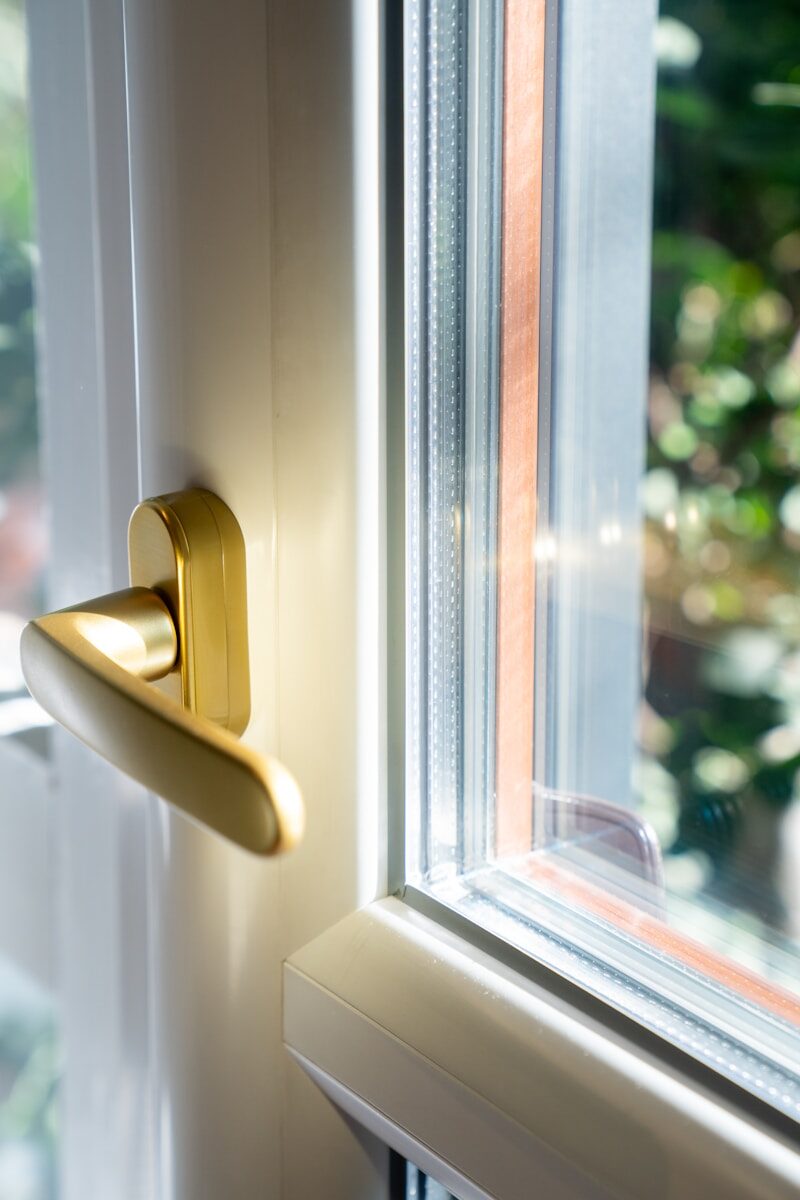
(e.g., a window that leaks due to poor fitting).
Material Failures
Breakdown of supplied goods.
(subject to manufacturer warranty alignment).
Rectification Costs
The insurer pays for an approved third-party contractor to fix the issue up to the original contract value.
Deposit Protection
(Optional but common)
Covers the loss of upfront deposits if the contractor goes bankrupt before work starts.
Secure A-Rated Protection for Your Next Project
Don't let contractor insolvency jeopardize your asset or funding compliance. Whether you are a Housing Association requiring specific grant-compliant wording (ECO4/SHDF) or a private developer needing mortgage-approved cover, our team accesses the whole of the UK market to secure A-Rated capacity. We provide rapid turnaround times on quotes, ensuring your paperwork is ready before you step on site.
Insolvency Cover vs. Insurance Backed Guarantees (IBGs)
While both policies protect you if a contractor goes out of business, they cover entirely different stages of your project’s lifecycle. The easiest way to tell them apart is to look at the timeline: Insolvency Cover protects the active build, while an IBG protects the finished result.
Here is a quick breakdown of how they compare:
| Insolvency Cover | Insurance Backed Guarantee (IBG) | |
|---|---|---|
| When it protects you | During the construction phase. | After the project is completed. |
| What triggers a claim? | The contractor ceases trading before the job is finished. | A fault appears in the finished work, but the original contractor has ceased trading and cannot honor their written warranty. |
| What does it pay for? | Protecting your lost deposit and covering the extra costs to hire a new builder to finish the site. | Hiring a new tradesperson to repair or replace the defective workmanship or faulty materials. |
| The ultimate benefit | Ensuring the project actually gets built. | Giving you long-term peace of mind in your finished space. |
Common use cases for an Insurance Backed Guarantee
Important Distinction: An IBG is not a “comprehensive maintenance plan.” It does not cover wear and tear, storm damage, or issues caused by lack of maintenance (e.g., blocked gutters causing leaks).
It strictly mirrors the contractor’s original promise to fix their mistakes.

Roofing
Essential for 10-25 year flat roof warranties.

Timber
A standard mortgage lender requirement for older properties.

Renewables
Technologies that are MCS compliant such as Solar PV and Heat Pumps.
Common exclusions and limitations
To ensure your housing stock is genuinely protected, Risk Managers must understand what an IBG does not cover:
- Trading Contractors: If the contractor is still in business but refuses to fix the defect, the IBG will not pay out. You must pursue the contractor legally or via arbitration.
- Design Issues: Standard IBGs cover workmanship and materials. For design liability, you should ensure your professional team carries appropriate.
- Consequential Loss: The policy covers the repair of the defective item (e.g., the window) but rarely covers damage to contents (e.g., the carpet ruined by the leak) or loss of rent. If the contractor is still in business but refuses to fix the defect, the IBG will not pay out. You must pursue the contractor legally or via arbitration.

Speak to an Insurance Backed Guarantee specialist
A standard contractor warranty is tied to the trading status of the company. To separate your long-term security from contractor solvency risk, we recommend transitioning to an Insurance Backed Guarantee.
We can guide you through the specific coverage options available for your development scale.
Frequently Asked Questions
Our dedicated IBG specialists have compiled the questions most commonly fielded regarding IBGs and related topics.
No. An Insurance Backed Guarantee (IBG) acts as a direct backup to a specific contractor's warranty and only kicks in if that tradesperson goes out of business. In contrast, Latent Defects Insurance (LDI) provides long-term structural protection for up to 10 or 12 years , protecting the asset itself, which means you can make a claim regardless of whether the original builder is stilltrading.
Typically, the contractor purchases the policy on your behalf as part of their service package. The premium is a one-off payment included in your quote. You should receive the policy certificate directly from the insurer or broker within a few weeks of completion and final payment.
The policy period matches the underlying contractor's guarantee. The industry standard is 10 years, though specific trades (like damp proofing) may require 20 years, and electrical works often carry shorter terms (2-5 years).
Retrospective IBGs are possible but rare and expensive. They typically require a new professional survey to verify the quality of work. It is best practice to agree on an IBG with your contractor before work commences.
No. An IBG is a "Policy of Last Resort." If the builder is still trading but refuses to fix a defect, this is a contractual dispute. You must resolve this through consumer rights avenues (e.g., Trading Standards or Small Claims Court). The IBG only triggers if the builder has "Ceased Trading" (insolvency/death/retirement).
News and insights