
Insolvency Cover

Safeguard your development against contractor collapse.

What is Insolvency Cover

When you invest in a major construction or renovation project, you want the confidence that it will be completed exactly as planned. But what happens if your main contractor unexpectedly ceases trading before the work is finished?

Insolvency Cover provides a crucial safety net during the active building phase. If your contractor goes out of business mid-project, this cover steps in to protect your initial deposit and fund the additional costs of bringing in a new team to finish the job: ensuring your project doesn’t stall and your community investment remains secure

This comprehensive guide explains:

If you are actively arranging cover, you can arrange contact with our team at the bottom of this page, or simply send us a few brief pieces of information for a quote.

What Insolvency Cover protects (and what It doesn’t)

This policy is specifically designed for one scenario: the financial failure of your contractor while the build is actively happening.

What is typically covered:

What is typically excluded:

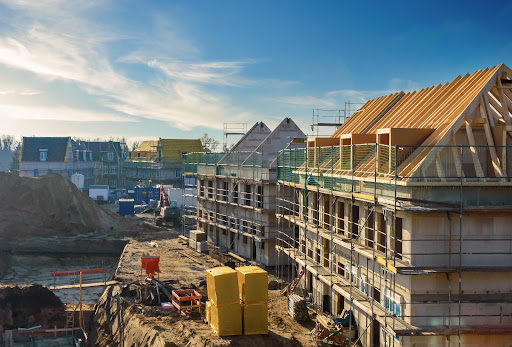
A construction site with multiple residential buildings in progress, featuring scaffolding and wooden roof structures, with stacks of building materials in the foreground under a clear sky.

What Insolvency Cover protects (and what It doesn’t)

Construction insolvency rates are rising. This policy functions as a financial safety net, providing the necessary capital to appoint a replacement contractor and complete your development without catastrophic delays or loss of funding, ensuring your asset reaches practical completion.

This policy is specifically designed for one scenario: the financial failure of your contractor while the build is actively happening.

Why Insolvency Cover?

Construction insolvency rates are rising. This policy functions as a financial safety net, providing the necessary capital to appoint a replacement contractor and complete your development without catastrophic delays or loss of funding, ensuring your asset reaches practical completion.

Hands protecting a pile of coins with a digital shield.

Financial Security

 Safeguards the project owner from financial losses

  Typically covers 10–20% of the contract value

Stakeholders meeting around a table.

Builds Credibility

☑  Demonstrates the contractor’s financial stability and professionalism 

☑  Reassures stakeholders and project investors

Chalkboard with Plan B written on it.

Supports Project Continuity

 Ensures a backup plan is in place if issues arise

  Protects against delays, poor workmanship, or non-completion

A close up of a door handle on a window

Double Glazing

Mandatory for FENSA and CERTASS registration.

A close up of a door handle on a window

Double Glazing

Mandatory for FENSA and CERTASS registration.

A close up of a door handle on a window

Double Glazing

Mandatory for FENSA and CERTASS registration.

Common use cases for an Insurance Backed Guarantee

Important Distinction: An IBG is not a “comprehensive maintenance plan.” It does not cover wear and tear, storm damage, or issues caused by lack of maintenance (e.g., blocked gutters causing leaks).

It strictly mirrors the contractor’s original promise to fix their mistakes.

A close up of a door handle on a window

Double Glazing

Mandatory for FENSA and CERTASS registration.

Low angle view of a modern apartment building exterior with flat roof

Roofing

Essential for 10-25 year flat roof warranties.

A scenic view of woodworking tools and wooden frame at a construction site.

Timber

A standard mortgage lender requirement for older properties.

Technician carrying a solar panel on a rooftop for installation, promoting renewable energy.

Renewables

Technologies that are MCS compliant such as Solar PV and Heat Pumps.

Frequently Asked Questions

Our dedicated IBG specialists have compiled the questions most commonly fielded regarding IBGs and related topics.

Will Insolvency Cover protect me if the builder just does a bad job or walks off site?

No, this policy is specifically triggered if the main contractor officially ceases trading or goes into liquidation before the job is finished. For poor workmanship or contract disputes, you would rely on standard legal resolutions or an Insurance Backed Guarantee (IBG) once the project is finished.

Typically, the policy limit is set at a percentage of your total project value—usually around 10% to 20%. This is carefully calculated to be enough to cover the loss of your initial deposit and fund the increased premium required to hire a brand-new contractor at short notice to take over the site.

You need to arrange Insolvency Cover before the construction work begins. More importantly, it should be in place before you hand over any large upfront deposits to your builder, ensuring your financial commitment is protected from day one.

  • No. Insolvency Cover is designed exclusively to protect the active construction phase. Once the keys are handed over, you would need to look at Latent Defects Insurance or an IBG for long-term peace of mind in the finished space.


News and insights

21 July 2026
Construction Bonds Explained
Construction contracts often require additional financial protection before work can begin, payments can be released or infrastructure can be adopted. This protection may be provided through a construction surety bond. However,...
17 July 2026
5 Common Construction Risks That Could Derail Your Project (And How Contractors All Risks Insurance Can Help)
Contractors All Risks Insurance can help protect construction projects against many of the unexpected events that cause damage, disruption and additional costs. From severe weather and theft to accidental damage and third-party...
16 July 2026
Why Insurance Backed Guarantees Matter More Than Ever in Today's Construction Market
What is an Insurance Backed Guarantee and why should contractors offer one? When customers invest in construction or home improvement works, they’re not just buying a product or service – they’re investing...
07 July 2026
What A 10 Year Structural Warranty Covers & What it Doesn't in 2026
What Does a 10-Year Structural Warranty Actually Cover? The short answer is the structural integrity of the building — but the detail matters more than the headline. Most buyers and developers assume a 10 year structural...
10 June 2026
Construction Insurance: A Complete Guide for Contractors and Developers
What is Construction Insurance? Construction insurance is a collection of different kinds of policies that typically protect the works in progress, the people involved, the design responsibility, and the property that’s...
26 January 2026
What Insolvency Cover Really Means for Social Housing Projects
Contractor insolvency is one of the most significant — and often underestimated — risks facing social housing delivery. With long construction programmes, complex supply chains, and increasing financial pressure across the...
17 December 2025
Building Safety Act: Ultimate Guide for New-Build Social Housing
The landscape of residential development has changed.With the introduction of the Building Safety Act, Housing Associations are now operating in a delivery environment where accountability is clearer, scrutiny is higher,...
15 October 2025
The Importance of RICS Surveyors in Construction Projects
Why Choosing the Right Surveyor Matters Buying or investing in property is one of the biggest financial commitments most people make. That’s why expert advice is crucial. Enter the RICS surveyor – a property professional...
20 June 2025
Performance Bonds: What They Are, What They Cost, and How To Get One
When you’re managing a construction project, there’s already enough complexity—finances, timelines, planning, and compliance. So when a lender, client, or local authority asks for a performance bond, what exactly...
11 June 2025
UK Planning Delays: Turn Idle Time into Risk-Ready Opportunity
The UK construction industry continues to feel the strain of planning delays. With local authority backlogs, changing regulations, and extended consultation periods, developers across the country are finding themselves stuck...
Scroll to Top