
Insolvency Cover

Safeguard your development against contractor collapse.

What is Insolvency Cover

When you invest in a major construction or renovation project, you want the confidence that it will be completed exactly as planned. But what happens if your main contractor unexpectedly ceases trading before the work is finished?

Insolvency Cover provides a crucial safety net during the active building phase. If your contractor goes out of business mid-project, this cover steps in to protect your initial deposit and fund the additional costs of bringing in a new team to finish the job: ensuring your project doesn’t stall and your community investment remains secure

This comprehensive guide explains:

If you are actively arranging cover, you can arrange contact with our team at the bottom of this page, or simply send us a few brief pieces of information for a quote.

What Insolvency Cover protects (and what It doesn’t)

This policy is specifically designed for one scenario: the financial failure of your contractor while the build is actively happening.

What is typically covered:

What is typically excluded:

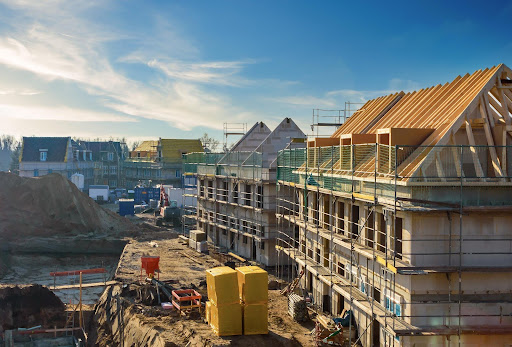
A construction site with multiple residential buildings in progress, featuring scaffolding and wooden roof structures, with stacks of building materials in the foreground under a clear sky.

What Insolvency Cover protects (and what It doesn’t)

Construction insolvency rates are rising. This policy functions as a financial safety net, providing the necessary capital to appoint a replacement contractor and complete your development without catastrophic delays or loss of funding, ensuring your asset reaches practical completion.

This policy is specifically designed for one scenario: the financial failure of your contractor while the build is actively happening.

Why Insolvency Cover?

Construction insolvency rates are rising. This policy functions as a financial safety net, providing the necessary capital to appoint a replacement contractor and complete your development without catastrophic delays or loss of funding, ensuring your asset reaches practical completion.

Hands protecting a pile of coins with a digital shield.

Financial Security

☑  Safeguards the project owner from financial losses

☑  Typically covers 10–20% of the contract value

Stakeholders meeting around a table.

Builds Credibility

☑  Demonstrates the contractor’s financial stability and professionalism 

☑  Reassures stakeholders and project investors

Chalkboard with Plan B written on it.

Supports Project Continuity

☑  Ensures a backup plan is in place if issues arise

☑  Protects against delays, poor workmanship, or non-completion

A close up of a door handle on a window

Financial security

Mandatory for FENSA and CERTASS registration.

A close up of a door handle on a window

Double Glazing

Mandatory for FENSA and CERTASS registration.

A close up of a door handle on a window

Double Glazing

Mandatory for FENSA and CERTASS registration.

Frequently Asked Questions

Our dedicated IBG specialists have compiled the questions most commonly fielded regarding IBGs and related topics.

Will Insolvency Cover protect me if the builder just does a bad job or walks off site?

No, this policy is specifically triggered if the main contractor officially ceases trading or goes into liquidation before the job is finished. For poor workmanship or contract disputes, you would rely on standard legal resolutions or an Insurance Backed Guarantee (IBG) once the project is finished.

Typically, the policy limit is set at a percentage of your total project value—usually around 10% to 20%. This is carefully calculated to be enough to cover the loss of your initial deposit and fund the increased premium required to hire a brand-new contractor at short notice to take over the site.

You need to arrange Insolvency Cover before the construction work begins. More importantly, it should be in place before you hand over any large upfront deposits to your builder, ensuring your financial commitment is protected from day one.

  • No. Insolvency Cover is designed exclusively to protect the active construction phase. Once the keys are handed over, you would need to look at Latent Defects Insurance or an IBG for long-term peace of mind in the finished space.


News and insights

Scroll to Top